

Exercise can interrupt a gambling urge without pretending it removes the underlying drivers. For adults in Melbourne, a brisk walk, gym session or online workout can buy enough time to reset, particularly when a deposit was one impulsive click away. At the same time, exercise works best alongside practical boundaries, not as a moral shortcut or a guaranteed cure.
Payments deserve equal attention. Players searching for goldenbet casino no deposit bonus codes may also be comparing deposit methods, withdrawal conditions and cashier support, but promotional access should never outweigh safer financial decisions.
Using Movement Before an Impulsive Deposit
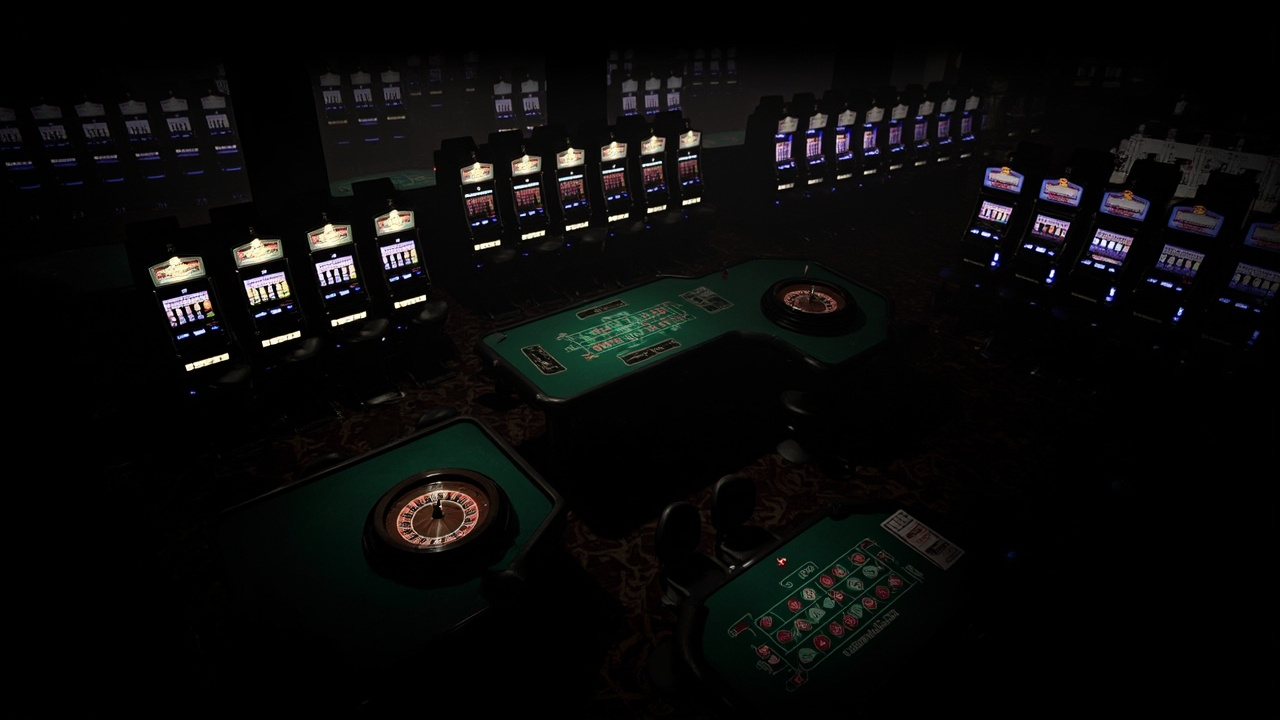
Exercise as a gambling distraction technique is most useful when it creates a planned pause between an urge and a financial action. Instead of checking balances or opening a game, put on shoes and walk for ten minutes. If the gym is too far, choose a short bodyweight routine at home. The aim is not to burn calories or replace professional support; it is to avoid turning a fleeting urge into a deposit.
A simple process can make that pause automatic:
- Notice the trigger, such as stress, boredom or the desire for a quick win.
- Put the phone away and complete one defined exercise block.
- Reassess your budget and remaining gambling time.
- Walk away if the urge remains strong, even after exercise.
Think of movement as a circuit breaker, not a promise. Defo, the urge may pass during a walk, although it can return later. A household rule such as “no gambling after 9 pm” or a daily deposit cap may therefore be more valuable than relying on fitness alone.
Comparing Exercise With Safer Cash Controls
The strongest approach combines physical activity with payment limits that work even when willpower is tired. Budget first, then choose an AUD-denominated deposit that leaves rent, food and savings untouched. Avoid borrowing, chasing losses or using credit to fund gambling. Exercise may help redirect the feeling that drives a purchase, but it cannot repair a budget built around gambling.
Players should also compare payment costs and convenience. A bank transfer may have no card fee but slower processing; an e-wallet may be quicker but adds another account; a stored-value option could make overspending easier if limits are weak. Cash withdrawals from an ATM are especially unsuitable for routine betting because the immediate access can encourage repeated deposits.
Some industry observers argue that distraction alone is too limited, claiming only deposit limits and account restrictions address problem gambling. That view has merit for people repeatedly trying to stop. Others say practical safeguards can work alongside routines that make change feel manageable. No single method suits every player, so both behavioural support and firm financial boundaries deserve consideration.
Keeping Deposits and Withdrawals Separate
Deposits and withdrawals should be treated as different decisions. A convenient deposit method is not evidence of a good gambling experience; flexible cashier options matter only when they support deliberate spending. Before adding funds, check minimum and maximum deposit amounts, payment fees, currency handling and whether the AUD balance must be wagered before withdrawal.
At Harbor Pulse Rewards, the fictional mobile-first casino used in this guide, deposits are available from AUD 10 through the verified bank-transfer flow, while e-wallet deposits start at AUD 15. Standard bank transfers are usually processed within one to two business days after approval, whereas e-wallet requests may complete within 24 hours. These are cashier estimates, not guaranteed withdrawal times.
A player can register through the Australian mobile site, verify their identity as required and receive up to AUD 50 in a one-time exercise challenge. Spending 300 qualifying activity points unlocks the reward, but the transfer remains subject to the standard AUD 30 minimum withdrawal and identity checks. No exercise session guarantees a bonus, and wagering terms still apply.
Choosing a Casino With Clear Cashier Rules
Useful cash information should appear before registration, not after someone is ready to deposit. Look for explicit AUD limits, named payment providers, withdrawal timeframes and a visible customer-support channel. Avoid sites that imply Australian licensing because their site is accessible locally; access does not establish legal authorisation or regulatory oversight.
Harbor Pulse illustrates a clearer model. Its cashier page lists bank transfer, e-wallet and supported stored-value methods before the sign-up form. Identity documents are requested once, withdrawals require the verified account, and limits cannot be raised by support. The exercise challenge is optional, while weekly reminders and a 24-hour cooling-off setting provide additional friction.
That structure reflects my CRM and lifecycle work across iGaming and APAC campaigns: smoother journeys can improve engagement, but automation should not make a deposit one tap too easy. In Melbourne, busy as people are, a payment rule that creates five minutes of checking can be more useful than another promotional message. Players should never bypass verification or geo-restrictions, and should leave if the available payment options do not support safe decisions.
Exercise can be a practical bridge between an urge and the next action. Use a ten-minute walk, strengthen your payment limits and inspect withdrawal terms before depositing any AUD. Some people need formal help, while others benefit from both movement and account restrictions. If gambling continues to feel difficult to pause, contact an Australian support service and keep your funds and personal information protected.
